If you're sourcing products from Asia, 2026 looks meaningfully different from 2022. Geopolitical pressure, rising labour costs in China, post-pandemic supply chain rewiring, and a wave of new manufacturing capacity in Southeast Asia and South Asia have fundamentally changed where and how goods are made.
For importers in Europe and the USA, these shifts create both risk and opportunity. Understanding the key trends will help you make smarter sourcing decisions over the next 12–24 months.
1. China+1 Is No Longer a Strategy — It's Standard Practice
The China+1 strategy — maintaining a primary supplier in China while developing at least one alternative source in another country — was considered progressive three years ago. Today it is simply normal procurement practice for any business that takes supply chain resilience seriously.
Tariffs, trade restrictions, and production disruptions have pushed European and US buyers to diversify. Most are not moving out of China entirely — China's manufacturing ecosystem, infrastructure, and supplier density remain unmatched for most categories — but they are reducing concentration risk by qualifying suppliers in Vietnam, Thailand, India, or Mexico in parallel.
The question is no longer "should we diversify?" but "which categories should we move first, and where?"
2. Vietnam Has Matured as a Sourcing Destination
Vietnam has absorbed an enormous volume of manufacturing investment over the past five years. Electronics, garments, footwear, furniture, and industrial components are now produced at scale there, with a growing base of factories capable of meeting Western quality standards.
Key advantages Vietnam offers in 2026:
- Competitive labour costs, though rising steadily
- Strong EU and US trade agreements (EVFTA, USMCA supply chain integration via component sourcing)
- A growing number of factories with ISO certification and Western client references
- Shorter lead times to Europe compared to China for sea freight, given port infrastructure improvements
The limitation: Vietnam's supplier ecosystem is narrower than China's. For highly specialised components, tooling, or custom manufacturing, China remains the dominant option. Vietnam works best for established product categories where specifications are well-defined.
3. India Is Emerging for Specific Categories
India's manufacturing sector is receiving significant government investment under the Production Linked Incentive (PLI) scheme, which subsidises domestic production of electronics, pharmaceuticals, textiles, and more. Several global manufacturers — including Apple suppliers — have opened Indian facilities.
For importers, India's sweet spots in 2026 are:
- Pharmaceuticals and nutraceuticals — India is the world's pharmacy; quality and regulatory compliance are well established
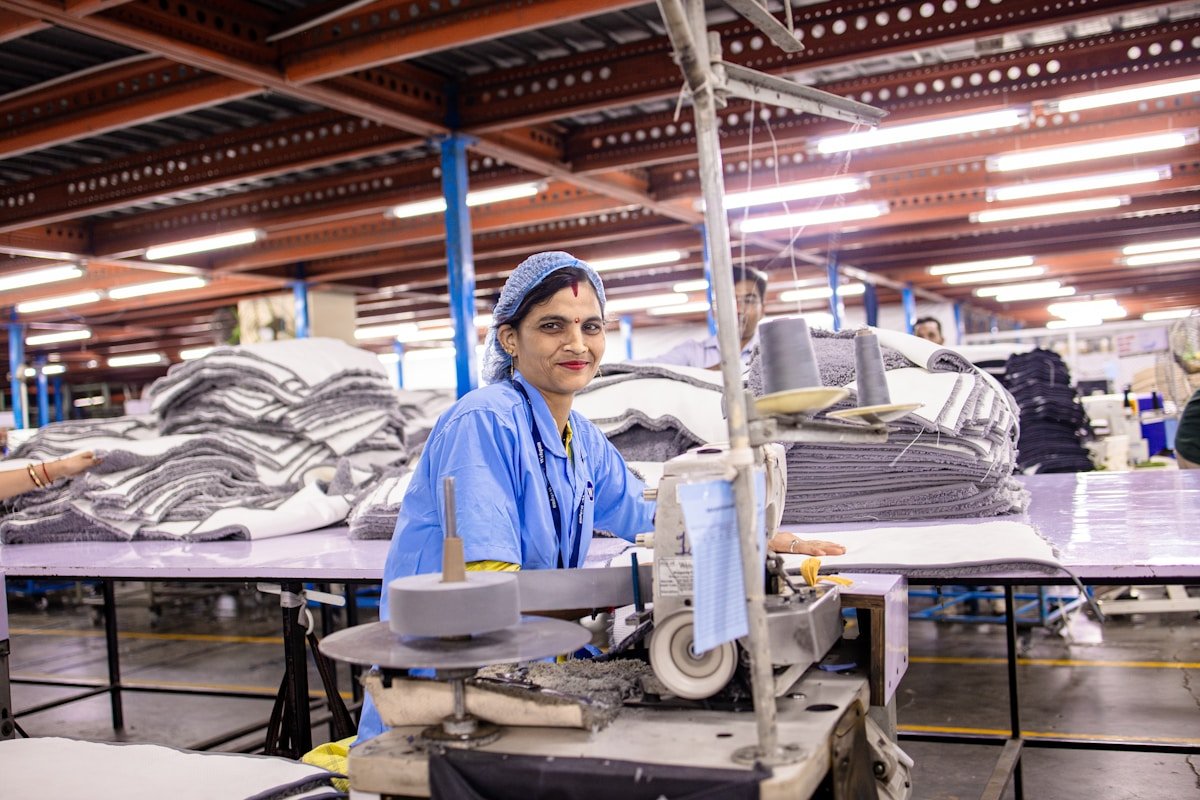
- Textiles and apparel — competitive costs, strong cotton supply chain, growing compliance infrastructure
- Engineering components — machined parts, castings, and industrial components at competitive cost
- Furniture and home goods — particularly for wood-based and handcrafted products
Challenges remain: logistics infrastructure is less developed than China's or Vietnam's, lead times can be longer, and quality consistency requires careful supplier selection. India is a long-term bet, not an overnight switch.
4. Automation Is Reducing the Labour Cost Advantage
Chinese manufacturers, facing rising wages and labour shortages, have invested heavily in factory automation over the past decade. This has two implications for importers:
- Quality and consistency have improved for many product categories as human error is reduced
- The labour cost arbitrage is narrowing, particularly for high-volume, standardised products where automation levels are now comparable to European factories
For buyers who have been using China purely for cheap labour, this is worth reassessing. The advantage now lies in the supplier ecosystem, tooling expertise, and scale — not wage differentials alone.
5. Sustainability Requirements Are Reshaping Supplier Selection
European buyers in particular are facing increasing pressure — regulatory and commercial — to demonstrate responsible sourcing. The EU's Corporate Sustainability Due Diligence Directive (CSDDD) and Carbon Border Adjustment Mechanism (CBAM) are creating real compliance obligations for importers.
In practical terms, this means:
- Suppliers are increasingly asked to provide ESG data, carbon footprint reports, and social compliance audits
- Factories without documentation are being dropped by larger buyers, concentrating orders among compliant suppliers
- Certification costs are rising for suppliers, which is being passed on in pricing
If you're not yet asking your suppliers for sustainability documentation, you will be in 12–18 months. Starting that conversation now gives you more time to manage transitions.
6. Freight Costs Have Stabilised — With Caveats
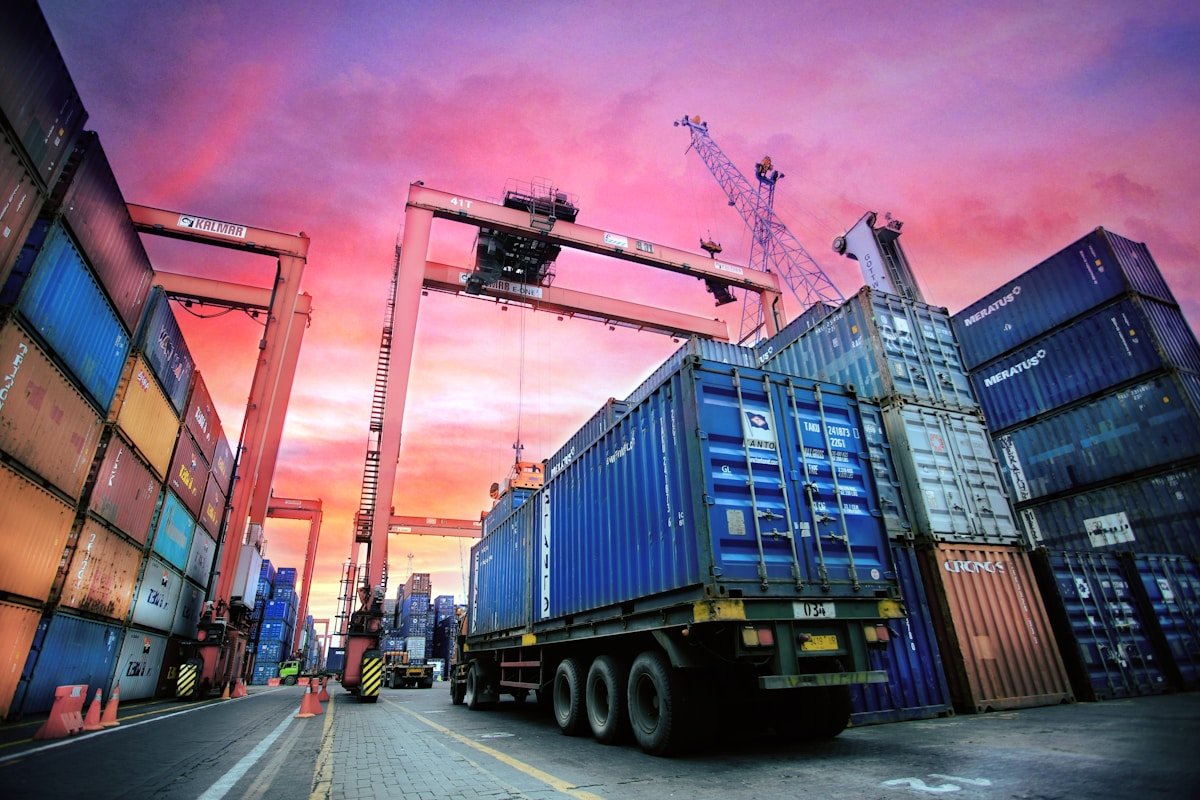
After the extraordinary freight rates of 2021–2022, container shipping costs have largely normalised. However, structural instability remains: Red Sea disruptions have added 10–14 days to Asia-Europe voyages for some routes, and port congestion continues to create unpredictable delays.
For importers, the practical implication is to build buffer stock more generously than you did pre-2020, and to work with freight forwarders who have flexible routing options.
What to Do With This Information
The importers who will perform best over the next two years are those who:
- Audit their current supplier concentration and identify single-source risks
- Begin qualifying alternative suppliers in Vietnam or India for their top two or three product categories
- Start collecting sustainability documentation from existing suppliers before it becomes a compliance requirement
- Work with a sourcing partner who has on-the-ground presence across multiple Asian markets, not just China
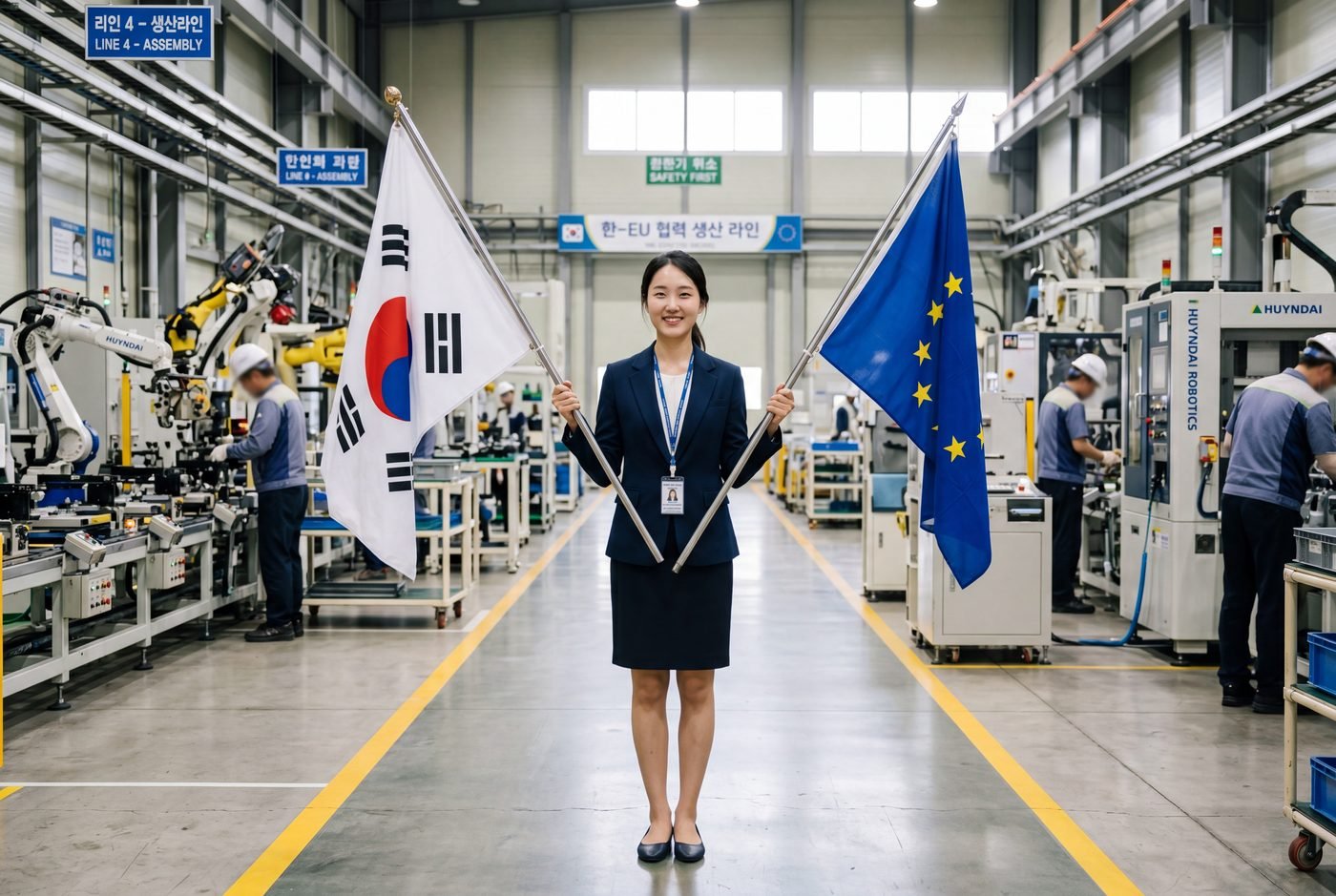
If you'd like to review your sourcing footprint and identify diversification opportunities, get in touch — we work across China, Vietnam, India, and South Korea and can run a comparative supplier analysis for your product categories.